Source Single-Screw Plastic Flakes Shell Crushing and Recycling Machinery for PET, PE, PP
Compare 30 single-screw plastic flakes shell crushing and recycling machinery options from Chinese manufacturers. These units process PET, PE, and PP materials with capacities ranging from 300kg/H to customized rates, featuring wet crushing and centrifugal dewatering.
Key considerations
Products List

Plastic Waste Crushing Machine Plastic Flakes Recycling Washing Machine
$8000.00 - $90000.00
MOQ: 1 Pieces


Plastic Recycling and Granule Machine with CE Single Screw Granulator
$10000.00 - $20000.00
MOQ: 1 Sets


Jwell Waste PE Flakes Crushing and Washing Machine for Plastic Recycling
$100000.00 - $200000.00
MOQ: 1 Pieces

Jwell Plastic Recycling Machinery High Capacity Small Single-Shaft Crushing Culling Machine
$10000.00 - $40000.00
MOQ: 1 Pieces

Jwell Single Shaft Plastic Shredder / Crusher for Recycling Plastic Hard Plastic
$30000.00 - $100000.00
MOQ: 1 Pieces


Jwell Plastic Crushing Washing Recycling Machine for Waste Recycle Line
$100000.00 - $200000.00
MOQ: 1 Pieces

Jwell Two/Double-Shaft Plastic Shredder and Crusher Machine for Sale Recycling
$30000.00 - $100000.00
MOQ: 1 Pieces


Plastic PET Bottle Scrap Flakes Recycling Crushing Washing Drying Machine Line
$63000.00 - $70000.00
MOQ: 1 Sets


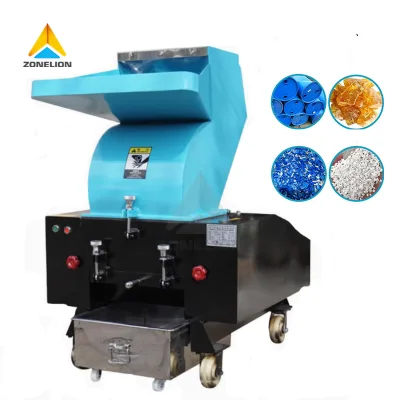


Plastic Flakes Washing Crushing Recycling Machine for PE Bottle Recycling Line
$500.00 - $50000.00
MOQ: 1 Pieces

Plastic Flakes Pelletiizng Machine, Plastic Recycling Machine for Sale
$1000.00 - $100000.00
MOQ: 1 Pieces

Recycling Machinery for Plastic or Film Single Shaft Shredder Hot Sale
$6000.00 - $60000.00
MOQ: 1 Pieces


Single Shaft Shredder /Granulator/Plastic Machine/Plastic Recycling Machinery
$10000.00 - $40000.00
MOQ: 1 Sets

Plastic Crusher Shredder Machine and Crushing Shredder for Waste Recycling
$15000.00 - $300000.00
MOQ: 1 Pieces

Plastic Crusher Machine for Waste Plastic Recycling and Management
$15000.00 - $300000.00
MOQ: 1 Pieces

Hard Plastic Scrap Shredder Machine and Plastic Crushers for Recycling System
$15000.00 - $300000.00
MOQ: 1 Pieces
Comprehensive Sourcing Guide
Strategic Sourcing Guide for Single-Screw Plastic Flakes Shell Crushing and Recycling Machinery
The global demand for recycled plastic materials has driven a significant shift in industrial procurement strategies, particularly regarding the machinery used to process post-consumer and post-industrial waste. For buyers seeking single-screw plastic flakes shell crushing and recycling machinery, the procurement landscape is defined by a complex array of technical configurations, material compatibilities, and compliance requirements. This guide provides a disciplined approach to evaluating suppliers and selecting equipment that aligns with specific operational goals, ensuring that the investment yields consistent output quality and operational efficiency. The focus remains strictly on the technical realities of the machinery, the verification of supplier claims, and the strategic considerations necessary for a successful B2B acquisition.
Technical Configuration and Processing Capabilities
The core of any recycling operation lies in the mechanical configuration of the machinery. When sourcing single-screw systems, buyers must distinguish between the crushing phase and the pelletizing phase, as the terminology often overlaps in product listings. The observed market data indicates a clear segmentation between wet crushing systems designed for bottle recycling and single-screw pelletizing machines intended for converting flakes into uniform granules.
For applications involving plastic bottles, specifically PET, the machinery often incorporates a hot washing stage followed by wet crushing. This process is critical for removing contaminants and preparing the material for subsequent extrusion. The resulting flakes typically require specific sizing, with observed specifications ranging from 10mm to 20mm. The selection of the screw diameter is a primary technical determinant; data suggests a range of 90mm to 150mm for effective processing. A single-screw configuration is generally preferred for its simplicity and reliability in handling specific polymer types, though the screw design must be compatible with the material's viscosity and thermal properties.
In contrast, single-screw pelletizing machines operate on a different principle, focusing on the extrusion of plastic flakes into pellets. These units are often characterized by a top-feed structure and are designed to handle a broad spectrum of materials, including PP, PE, PS, ABS, and PC. The automation level is a critical differentiator; while some systems offer basic manual operation, high-end models feature fully automated control systems. Buyers should verify the specific automation claims, noting that "computerized" systems offer precise control over temperature and screw speed, which is essential for maintaining the moisture content of the final product below 2%.
| Feature Category | Bottle Recycling Line (PET) | Single-Screw Pelletizing Machine |
|---|---|---|
| Primary Material | PET Plastic Bottles | PP, PE, PS, ABS, PC Flakes |
| Crushing Type | Wet Crushing | Extrusion/Pelletizing |
| Washing Method | Hot Washing | N/A (Post-Crushing) |
| Screw Configuration | Single-Screw | Single-Screw |
| Final Output | Clear PET Flakes (10-20mm) | Uniform Plastic Pellets |
| Dewatering | Centrifugal | N/A |
| Typical Capacity | Customized | 300kg/H (Observed Range) |
Material Compatibility and Process Specifics
Understanding the material flow is essential for matching machinery to the intended feedstock. The machinery must be capable of processing the specific plastic type without degradation. For PET bottle recycling, the process is highly specialized, involving the conversion of bottles into clear flakes. The material processed transitions from a solid bottle form to flakes, and the machinery must handle this volume efficiently. The use of carbon steel for the main body of the equipment is a standard observation, providing the necessary durability against abrasive contaminants often found in recycled streams.
For pelletizing applications, the suitability of the machine for various plastic wastes is a key selling point. The machinery should be capable of handling a mix of polymers, including WPC (Wood Plastic Composite) and MPP. The screw brand and motor brand are often highlighted as quality indicators. Specific brands such as Simens, Beide, or Weg for motors, and Jinhailuo for screws, appear in product descriptions, suggesting a reliance on established component manufacturers. However, buyers must verify that these components are standard inclusions and not merely optional upgrades that significantly increase the cost.
The heating option is another variable that requires careful attention. While some systems come with customized heating options, others may rely on ambient conditions or standard heating elements. The final product moisture content is a critical quality metric; systems claiming a moisture level of less than 2% must be validated through on-site testing or third-party certification. The dewatering type, specifically centrifugal dewatering, is a standard feature in bottle washing lines to ensure the flakes are dry before the final drying stage.
Compliance, Certification, and Safety Standards
In the B2B machinery market, compliance is not merely a formality but a prerequisite for international trade and operational safety. Buyers must rigorously verify the certification status of the equipment. The most common certifications observed in the market include CE (Conformité Européenne) and ISO9001. The CE mark indicates that the machinery meets EU safety, health, and environmental protection requirements, which is often a mandatory requirement for exporting to European markets. ISO9001 certification demonstrates that the manufacturer adheres to a quality management system, ensuring consistent production standards.
It is crucial to note that certification claims should be treated as observations rather than absolute guarantees for every listed product. Buyers should request valid certificates directly from the supplier and verify their authenticity with the issuing bodies. The presence of a "Computerized" certification tag in some listings may refer to the control system's compliance with specific digital standards, but this requires clarification. Additionally, the production standard of 3000kg mentioned in some contexts likely refers to a specific weight limit or capacity benchmark, but it should not be assumed to be a universal standard for all single-screw machines without further verification.
Safety features are integral to the design of shredders and crushers. For single-shaft shredders, the knife roll classification and the type of knife (solid knife roller or piece knife crusher) are critical safety and performance factors. The machinery must be designed to prevent operator injury while maintaining high throughput. The condition of the machine, whether new or refurbished, also impacts compliance; new machines generally come with updated safety features and warranties, whereas refurbished units may require additional safety inspections.
Cost Drivers and Pricing Structures
The pricing of single-screw plastic flakes shell crushing and recycling machinery is influenced by a multitude of factors, resulting in a wide observed range from $500 to $370,000. This variance is not arbitrary but reflects differences in capacity, automation level, material quality, and brand reputation. Lower-priced units often correspond to smaller capacity machines, such as small single-shaft shredders, which may have limited automation and basic components. Conversely, high-end systems with customized capacities, advanced computerized controls, and premium motor brands command significantly higher prices.
The MOQ (Minimum Order Quantity) is a critical cost driver in procurement. In the observed data, the MOQ is consistently listed as 1, indicating that buyers can purchase single units without needing to commit to large batch orders. This flexibility is advantageous for small to medium-sized enterprises looking to scale their recycling operations gradually. However, buyers should be aware that the unit price may vary based on the specific configuration and customization options selected.
Customization is a major factor in the final cost. Options such as customized capacity, heating options, and specific packing requirements (e.g., wooden cases vs. film packing) can add to the base price. The origin of the machinery also plays a role; products originating from regions like Baoding or Shanghai in China may have different cost structures compared to those from other manufacturing hubs. Buyers should request detailed breakdowns of costs to understand the value proposition of each component, ensuring that they are not paying for unnecessary features or inflated brand premiums.
Supplier Evaluation and Geographic Considerations
Evaluating suppliers requires a deep dive into their operational history, geographic location, and after-sales support capabilities. The observed data indicates that suppliers are located in key manufacturing hubs in China, such as Baoding and Shanghai. These regions are known for their specialized machinery manufacturing clusters, offering a competitive advantage in terms of supply chain efficiency and technical expertise. However, the geographic location also necessitates careful consideration of logistics, lead times, and import regulations.
Supplier evaluation should focus on the availability of after-sales service. The presence of "Yes" for after-sales service in product listings is a positive indicator, but buyers must clarify the scope of this service. Does it include remote troubleshooting, on-site installation, spare parts availability, and training? The condition of the machine, whether new, is another factor; new machines typically come with a warranty that covers defects and malfunctions, providing peace of mind for the buyer.
The brand reputation of the components used in the machinery, such as the motor and screw brands, can also serve as a proxy for supplier reliability. Suppliers that consistently use reputable brands like Simens or Jinhailuo are likely to have established quality control processes. However, buyers should not rely solely on brand names; they should request references from previous clients and verify the supplier's track record in delivering similar machinery. The packing method, whether wooden cases, pallets, or film, also reflects the supplier's attention to detail and commitment to protecting the equipment during transit.
Quality Control and Long-Term Procurement Strategy
Implementing a robust quality control (QC) strategy is essential for ensuring that the purchased machinery meets the required performance standards. Buyers should establish clear acceptance criteria before the machine leaves the factory. This includes verifying the final product specifications, such as the flakes size (10mm to 20mm) and moisture content (less than 2%). On-site testing or third-party inspection services can provide an objective assessment of the machine's performance before final payment is released.
Long-term procurement considerations involve planning for maintenance, spare parts, and potential upgrades. The single-screw design, while efficient, requires regular maintenance to prevent wear and tear, especially when processing abrasive materials. Buyers should negotiate a comprehensive spare parts package that includes critical components like screws, knives, and motors. The availability of these parts from the supplier is crucial for minimizing downtime and ensuring the longevity of the equipment.
Furthermore, the scalability of the machinery should be considered. As the recycling operation grows, the capacity of the machine may need to be increased. Customized capacity options allow for flexibility, but buyers should ensure that the machine can be upgraded or expanded without requiring a complete replacement. The automation level is another long-term consideration; investing in a computerized system may offer better control and efficiency in the long run, even if the initial cost is higher.
In conclusion, sourcing single-screw plastic flakes shell crushing and recycling machinery requires a meticulous approach that balances technical specifications, compliance requirements, and cost considerations. By focusing on the specific needs of the operation, verifying supplier claims, and planning for long-term maintenance, buyers can make informed decisions that drive efficiency and profitability in the recycling industry. The observed data provides a solid foundation for understanding the market landscape, but the ultimate success of the procurement depends on the buyer's diligence in evaluating each potential supplier and machine configuration.
FAQs
What materials can single-screw plastic flakes shell crushing and recycling machinery process?
This machinery can process PET plastic bottles, PP, PE, PS, ABS, PC, and various plastic waste including WPC and MPP. The specific configuration determines whether it handles bottle recycling into flakes or pelletizing flakes into granules.
Which certifications are standard for this recycling equipment?
Standard certifications include CE and ISO9001 to ensure safety and quality management compliance. Some listings also mention computerized system standards, but buyers must verify these directly with suppliers before purchase.
How is the final moisture content controlled in the output?
The final product moisture is typically maintained at less than 2% using centrifugal dewatering and drying stages. This ensures the clear PET flakes or pellets meet quality standards for further processing or sale.
Can the capacity of the machinery be customized for specific needs?
Yes, capacity is often customized, with observed rates like 300kg/H available for specific models. Buyers should verify the exact capacity requirements against the manufacturer's options to ensure operational efficiency.
What is the typical minimum order quantity for these machines?
The minimum order quantity is consistently one unit, allowing buyers to purchase single machines without bulk commitments. This flexibility supports small to medium enterprises scaling their recycling operations gradually.
Where are the manufacturers of this machinery primarily located?
Manufacturers are primarily located in key Chinese hubs such as Baoding and Shanghai. These regions offer specialized manufacturing clusters with established supply chains for plastic recycling equipment.